
Aftercare plays a vital role in long-term recovery. Whether it’s through therapy sessions, support groups, or sober living arrangements, our team works with you to create a customized aftercare plan that aligns with your goals, challenges, and unique circumstances.
Aftercare coordination refers to the process of planning and organizing ongoing support services following the completion of addiction treatment. It ensures a smooth transition into daily life by providing the tools, resources, and guidance necessary to help individuals sustain their recovery.
Unlike primary treatment, which focuses on managing withdrawal and addressing the root causes of substance use, aftercare is designed to keep you on the path of sobriety and help you navigate the challenges of a post-treatment world.
For individuals in Pine Bluff, AR, aftercare coordination bridges the gap between structured rehabilitation programs and independent living, reducing the risk of relapse and promoting long-term recovery success.
Why Is Aftercare Coordination Important?
Without continued support, the risk of relapse increases significantly. According to the National Institute on Drug Abuse (NIDA), between 40-60% of people who achieve sobriety experience relapse—making aftercare essential to avoid setbacks and maintain recovery.
Here are the key benefits of aftercare coordination:
At Crosshope Treatment, our individualized aftercare planning in Pine Bluff focuses on meeting each client’s unique needs, setting them up for lasting success.
Aftercare isn’t a one-size-fits-all approach—it’s a comprehensive plan tailored to support your goals and challenges. Below are some of the most common components of continuing care programs in Pine Bluff, AR, that we include in our aftercare coordination services:
Regular therapy sessions after completing treatment provide a safe space to process emotions, address challenges, and stay on track with goals. Therapy options include:
Peer-led support groups create a sense of connection and accountability among individuals in recovery. Popular programs include:
Peer-led support groups create a sense of connection and accountability among individuals in recovery. Popular programs include:
Working alongside counselors, clients create plans to manage high-risk situations and address triggers. This includes learning behavioral coping techniques, mindfulness strategies, and stress management skills.
For individuals who need extra structure and stability after treatment, sober living homes provide a supportive and substance-free environment to transition back to daily life. These homes often emphasize responsibility, accountability, and community through shared living arrangements.
Individuals recovering from opioid or alcohol addiction may benefit from MAT. Combined with therapy, medications such as Suboxone or Vivitrol help manage cravings and reduce relapse risk during early recovery.
Aftercare programs often incorporate guidance on building life skills, such as budgeting, communication, and career development, to assist individuals in navigating the challenges of independent living.
By coordinating these services, Crosshope Treatment empowers individuals with the support and resources needed to rebuild their lives after treatment.
At Crosshope Treatment Center, we work with most major insurance carriers to help cover the costs associated with treatment. Our caring and compassionate admissions team is standing by ready to help you begin your journey towards lasting recovery.






Contact our team and tell us your story.
We find out if our program is right for you.
Schedule your first visit and start your recovery.
At Crosshope Treatment, we understand that recovery is a lifelong journey, and leaving primary treatment can feel daunting. That’s why our aftercare coordination in Pine Bluff, AR, prioritizes personalized care and consistent support to help clients transition smoothly into their new phase of recovery.
Here’s how we make a difference in your long-term recovery:
Our dedicated team works closely with you to understand your specific challenges and goals, then develops a tailored aftercare plan.
We place a strong emphasis on relapse prevention support, equipping clients with tools to manage triggers and overcome obstacles effectively.
As part of the Pine Bluff community, we work with local organizations to connect clients with essential resources, including continuing education, employment opportunities, and housing assistance.
Whether you’re pursuing outpatient counseling, seeking a sober living environment, or participating in support groups, we provide flexible aftercare options to fit your needs and lifestyle.
Our experienced team includes licensed therapists and addiction specialists who are dedicated to your success. We provide compassionate care, guidance, and encouragement to ensure you never feel alone in your journey.
Schedule a confidential consultation to discuss your needs and explore the right treatment options for you.






Aftercare services are ongoing support programs that help individuals maintain sobriety after completing a primary treatment program. These services may include outpatient therapy, support groups, relapse prevention planning, and continued case management.
Recovery doesn’t end when treatment does. Aftercare provides structure, accountability, and continued guidance, helping individuals navigate real-life challenges while staying on track. It significantly reduces the risk of relapse and supports long-term success.
Aftercare services in Pine Bluff may include outpatient counseling, Intensive Outpatient Programs (IOP), peer support groups, medication management, sober living referrals, and ongoing recovery planning tailored to each individual.
The length of aftercare varies depending on individual needs, but many people benefit from ongoing support for several months or longer. Recovery is a long-term process, and continued engagement in aftercare can improve outcomes.
Yes, aftercare is one of the most effective ways to prevent relapse. It provides tools, coping strategies, and support systems that help individuals manage triggers, stress, and life transitions after treatment.
No, aftercare can also support individuals recovering from mental health conditions. Continued therapy, medication management, and support groups can help maintain emotional stability and progress.
Aftercare typically follows a structured treatment program, but some services—like support groups or outpatient therapy—can be accessed independently if needed.
Yes, aftercare programs are designed to be flexible. Many options, such as outpatient therapy or evening support groups, allow individuals to maintain work, school, or family responsibilities.
Getting started usually involves speaking with a treatment provider who can assess your needs and recommend an aftercare plan. Many centers, including Crosshope Treatment, help coordinate aftercare to ensure a smooth transition from treatment to everyday life.
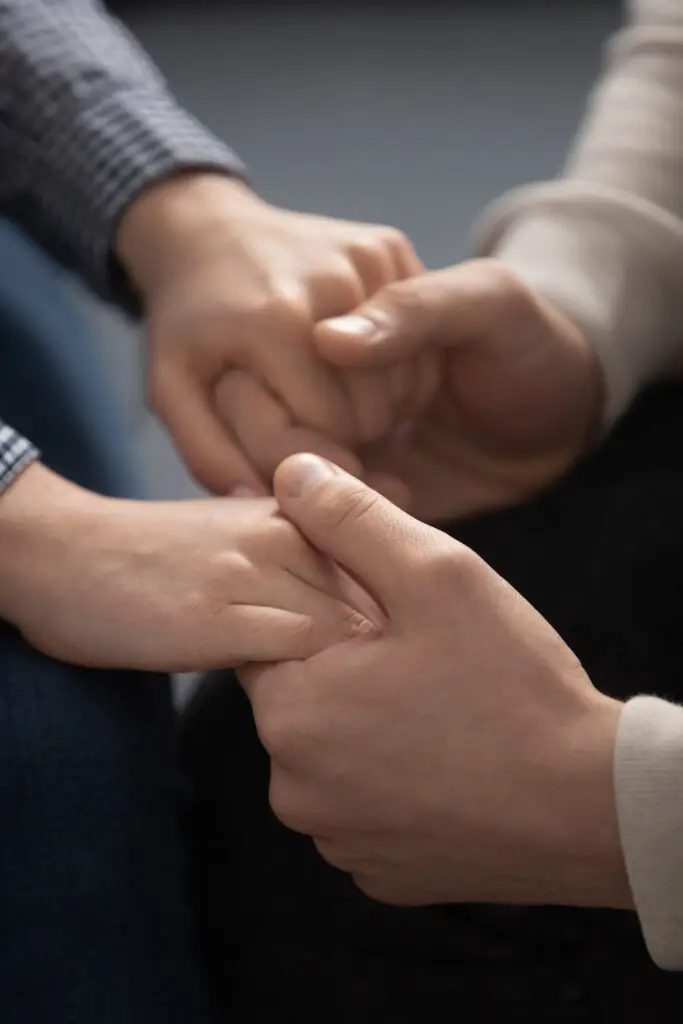
Individuals in Pine Bluff have access to several local and state-supported resources that can provide ongoing support after completing a treatment program. Aftercare is a critical part of recovery, helping individuals maintain progress, prevent relapse, and stay connected to supportive services. Fortunately, Pine Bluff offers a growing network of community-based programs designed to support long-term mental health and sobriety.
One of the primary local resources is Southeast Arkansas Behavioral Healthcare System, which provides outpatient counseling, medication management, crisis services, and ongoing behavioral health support for individuals of all ages. These services are essential for those transitioning out of higher levels of care, offering continued structure and access to professional guidance. The organization also provides crisis response and emergency services, ensuring individuals can receive help when they need it most.
Additional support can be found through local treatment and recovery programs such as, which offers aftercare planning, relapse prevention support, and connections to community resources like housing and outpatient care. Many programs in the area emphasize transitional support, including discharge planning, alumni engagement, and follow-up care to help individuals stay on track after treatment.
Beyond structured programs, statewide resources also play an important role in aftercare. Arkansas offers access to recovery support services, peer groups, and behavioral health programs that help individuals maintain stability over time. Local outpatient centers and recovery networks throughout Pine Bluff provide therapy, support groups, and case management services, ensuring individuals have continued access to care as their needs evolve.
Together, these resources create a strong foundation for long-term recovery in Pine Bluff. Whether you’re continuing therapy, building a relapse prevention plan, or connecting with peer support, ongoing care is available—and taking advantage of these services can make a meaningful difference in sustaining recovery and overall well-being.
Completing treatment is a big accomplishment, but staying sober requires a long-term commitment. At Crosshope Treatment, our aftercare coordination services in Pine Bluff, AR, are here to help you stay engaged in your recovery and thrive in your new life.
Remember, reaching out for help is a sign of strength. Whether you’re ready to create an aftercare plan for yourself or want to support a loved one in recovery, we’re here to guide you every step of the way.
Contact Crosshope Treatment today to schedule an assessment or learn more about our aftercare planning in Pine Bluff. Your long-term recovery starts here. Together, we can build the future you deserve.